
Redesigning the Lottery Winner Experience
From long waits to real celebrations—rethinking how winners claim life-changing prizes

Timeline
Sep 2023 – Apr 2024
Team
Senior CX Manager
CX/Service Designer (me)
Architect
Operations, Prize Specialists
My Role
Observed real winner journeys (end-to-end)
Mapped current → future experiences
Shaped service flow + spatial design with architect
A Big Win—That Didn’t Feel Like One
Winning the lottery should feel exciting.
At the Ontario Lottery and Gaming Corporation Prize Centre, it didn’t.
2–3 hour wait times
Intense verification interviews
Clinic-like waiting rooms
Some winners said it felt more like an interrogation than a celebration.
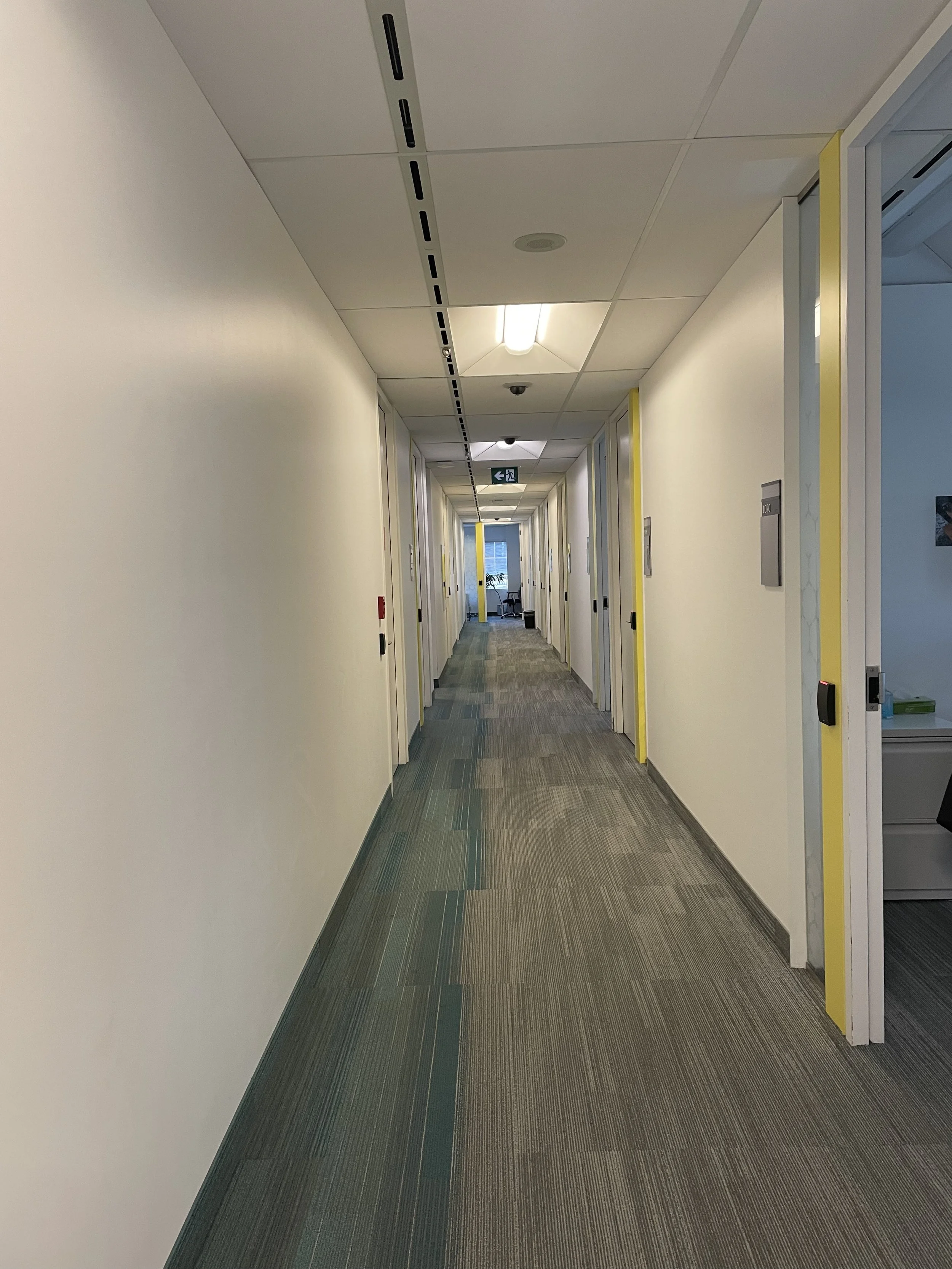
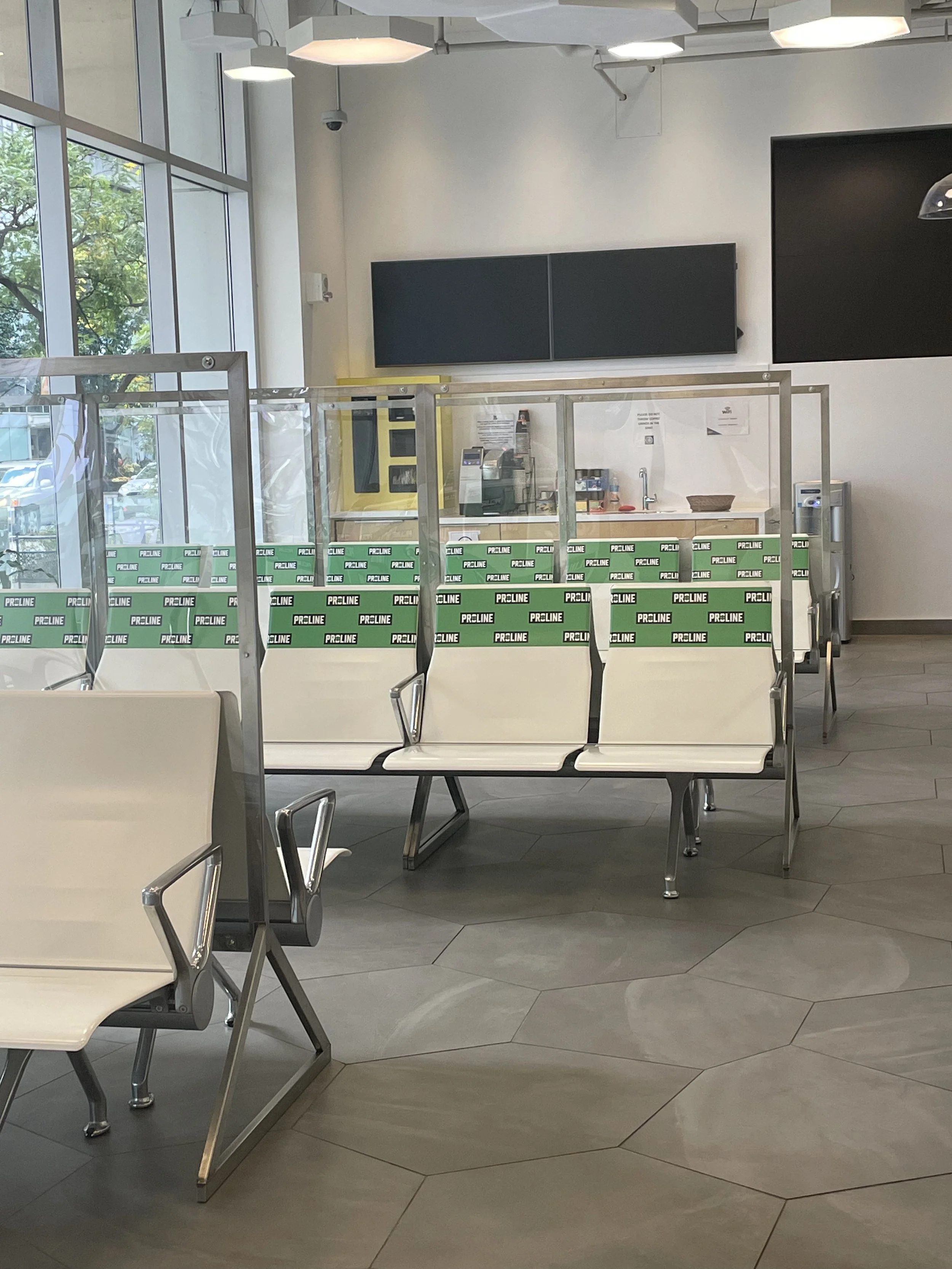
From the CX Vision to redesign
The OLG CX vision was simple: “Bring the win home.”
But delivering that at the Prize Centre meant rethinking:
The space
The service flow
The emotional journey
That’s where I came in and started to think what approach I might take to tackle the problem this time.
Design Outcome: The Redesign Strategy
The design outcome of this project was that we:
proposed a new floorplan to show how the new space should look like physically (collaborated with the architects to ensure the spatial design is aligned with customers’ needs)
created a mood board to show how the space should feel like emotionally (collaborated with the marketing team to ensure the design recommendations are aligned with the company wide brand strategy)
This was my first time designing with physical constraints and beyond the digital space. Instead of leading the design, I joined architects’ brainstorming sessions and contributed to their design process while continuing to advocate for the customer.

Map out current space
Architect mapped out the existing floorplan and I added photos
Synthesize research
Discussed customer pain points with architects to identify key opportunities on Miro
Brainstorm possibilities
Brainstormed together how new space could look like on Miro ussing the existing floorplan
iterate and finalize design
Architects reviewed the options, considering physical constraints and feasibility; I developed the mood board to show the final look and feel of the space
How I approached this project
Initially I began this project by observing winners in the waiting area, but one incident prompted me to adjust my approach.
While observing, a winner started sharing his frustrations. I asked more questions to understand his pain points, but talking about these experiences brought up strong negative emotions that also affected the staff.
That’s when I realized:
Winners were in a highly stimulated state, and typical user research techniques or further probing wouldn’t be effective in this situation.
I adjusted by:
Observing at a distance with no close contact/conversations
Being mindful of emotional context
Treating every interaction as part of the system
My Final Approach
Start with Real Behavior
I spent 2 months shadowing staff and observing winners from a distance—how they moved, waited, reacted.
Map the Full Journey
Created end-to-end journey maps (online → in-person → post-visit) to identify breakdowns physically and emotionally.
Design with Constraints
Worked closely with an architect to balance CX ideas with physical and regulatory limits.
Separate Insights Into Space + Service perspectives
Translated user needs into:
Floorplan recommendations
Service experience improvements
My Research Process
Stakeholder workshops to define future CX vision
On-site observations + job shadowing
Space walkthroughs (with architect)
Learning from the Loto-Québec CX team
Providing design recommendations and iterating on them
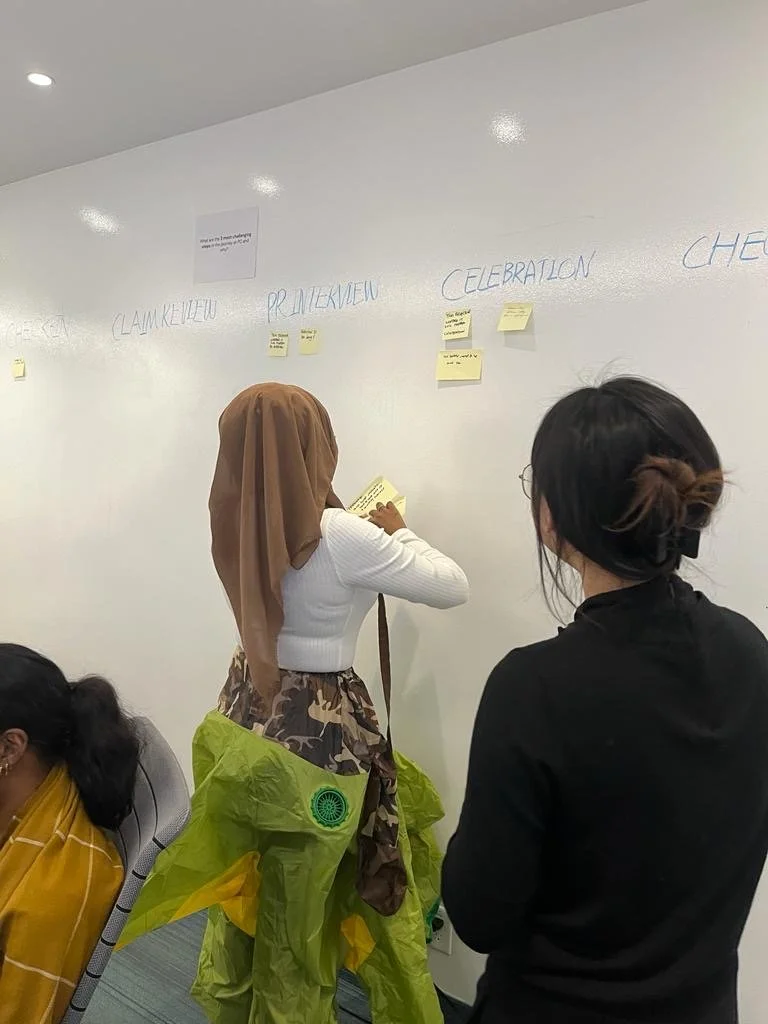
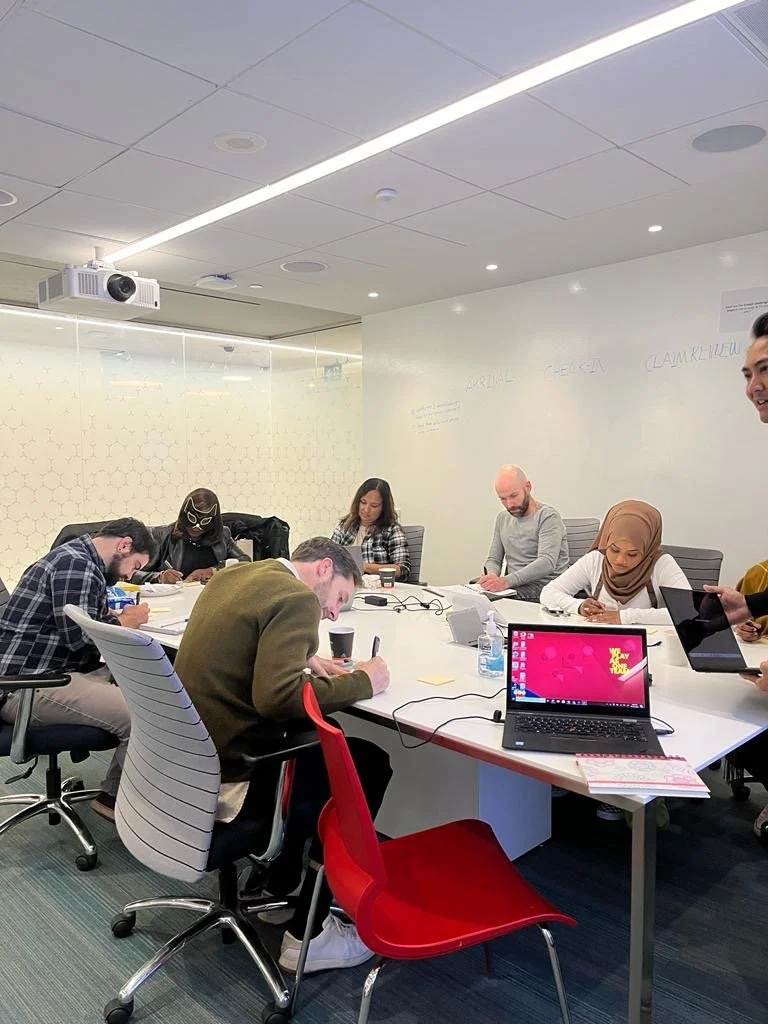
After 2 months of research and investigation, we found out that this wasn’t just a space problem—it was a journey problem.
Winners had to:
Travel long distances to downtown locations
Navigate unclear instructions online
Wait in uncomfortable, high-stress environments
Go through rigid verification with little transparency
And after claiming their prize? The experience ended. No follow-up. No relationship.
What was Going Wrong?
“When I tried to find where to claim my prize, I was lost on this page (OLG.ca)”
“I dont feel like winning a lottery. I feel like being interrogated.”
Where the Experience Broke Down
Based on the research, we mapped out the customer existing journey together and identify key challenges, gaps and opportunities.
Disconnected Journey
Confusing online instructions on where/how to claim prizes
No continuity between digital and in-person experience
Emotional Mismatch
Winners felt stressed, not celebrated
Marketing moments felt intrusive, not personal
Space & Process Gaps
Waiting areas felt clinical and impersonal
Long, unclear processes with no sense of progress
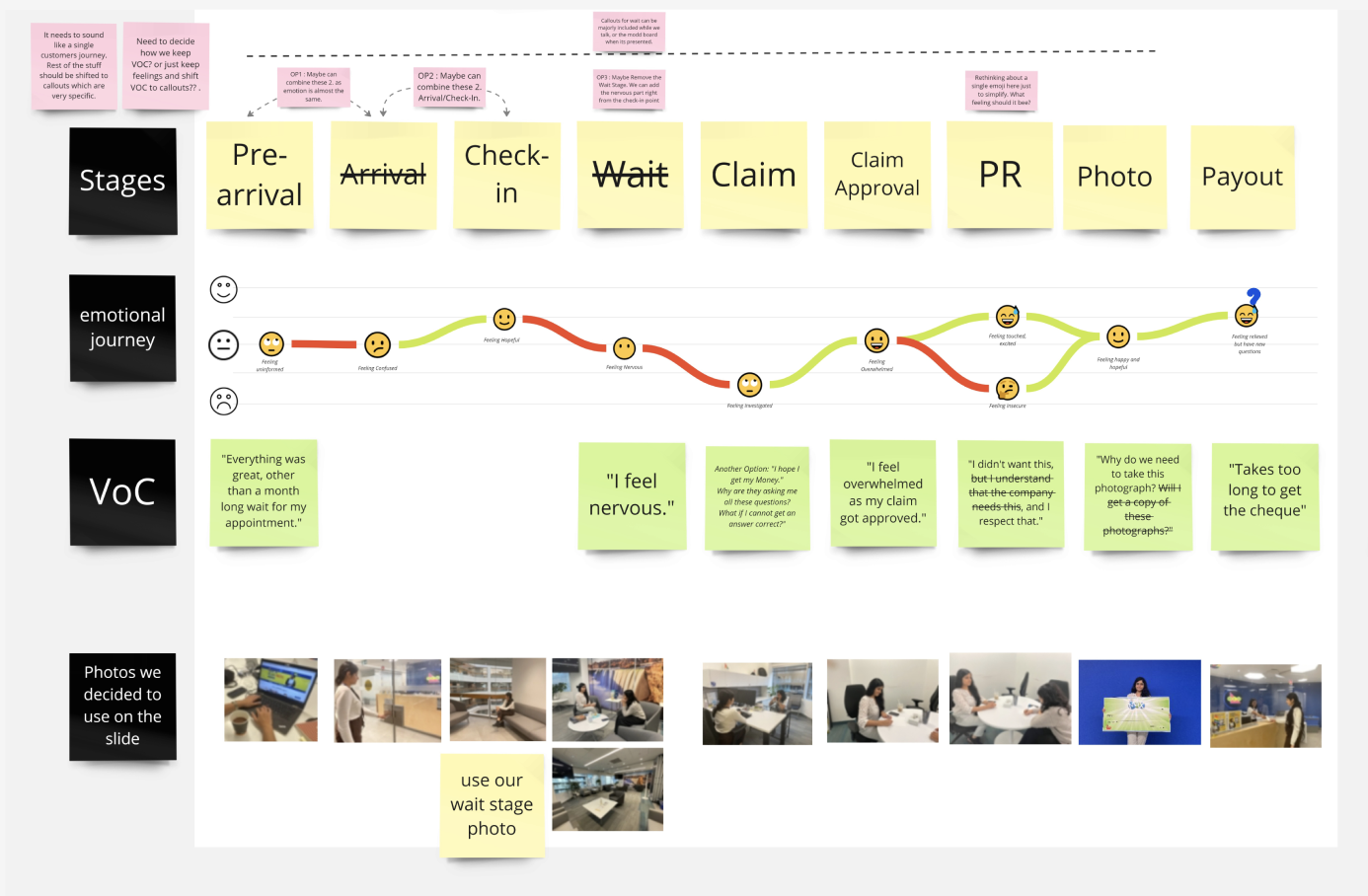
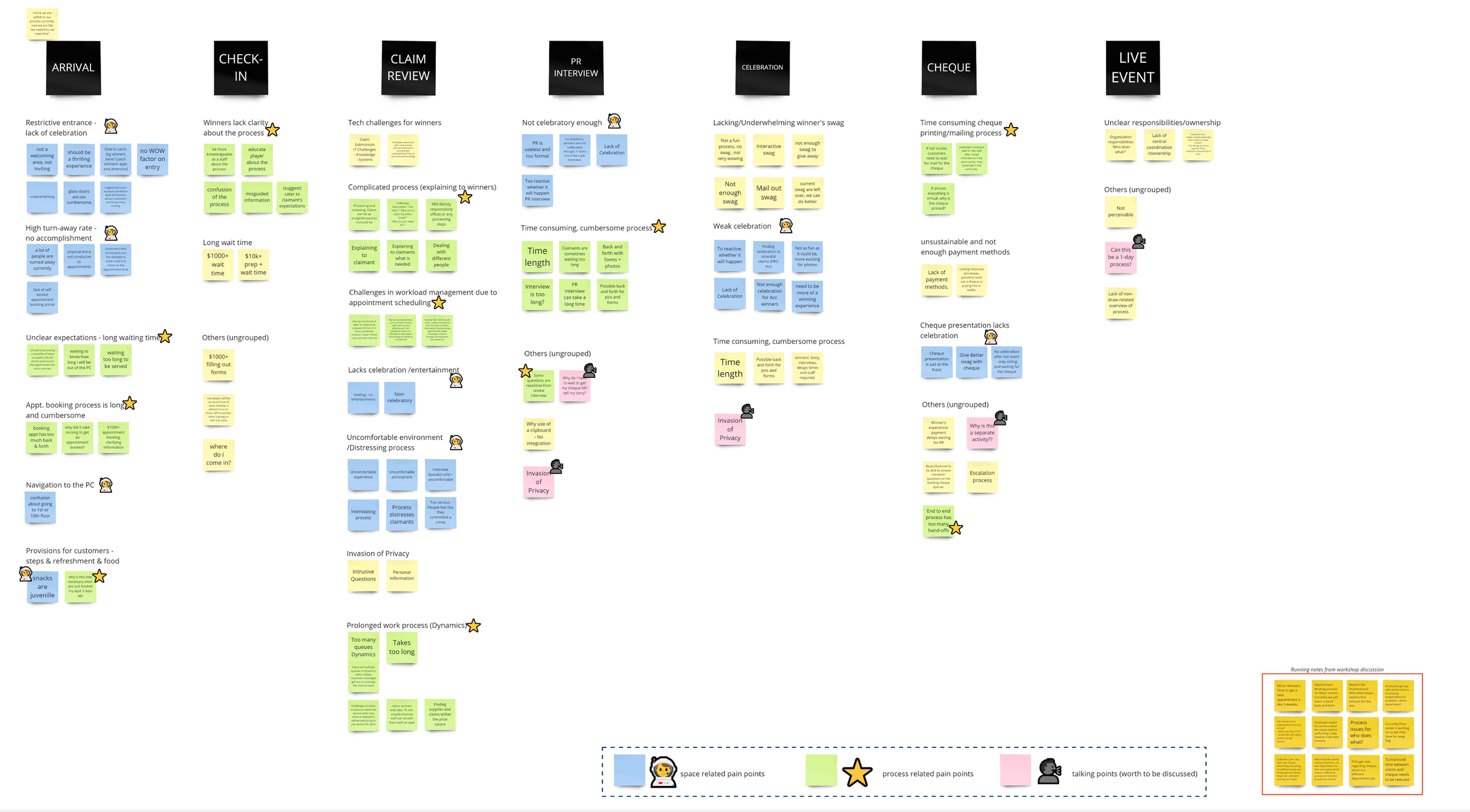
At first, my ideas didn’t land.
After discovered the pain points, I started to look at how to solve it. At first, although I tried to provide data-driven and evidence-based design ideas, these ideas were not convincing enough for my stakeholders.
Some ideas were seen as not feasible from a spatial perspective according to the architect.
So I shifted:
Let the architect lead on constraints
Layered CX improvements within what could be built
Co-created instead of pushing solutions
That’s when things clicked.
The ideas finally landed—but nothing moved
After my first presentation, the response was positive. Stakeholders liked the ideas. They called them innovative and customer-focused. But nothing happened.
Some ideas required renovation, so they were out of scope. Others were simpler. They could improve the customer journey right away. Still, no team picked them up.
I realized the problem wasn’t the ideas. It was ownership.
So I changed my approach.
As a service designer, I wasn’t part of the operations team. I had no direct authority. So I focused on facilitation—guiding decisions, not directing them.
This shift helped move the work forward and turned ideas into shared responsibility.
My Approach:
Broke down recommendations into small, actionable steps
Created a clear table of next steps to make work tangible
Invited teams to choose what they could own, instead of assigning tasks
Clarified roles and responsibilities across teams
Set up regular check-ins to maintain momentum and accountability
Impacts
Building the design recommendations on the user research and internal staff research, collaborating with different teams to fine-tone them, I was able to provide directions for the future state of the Prize Centre and also the winner’s experience.
Here are some key achievements from this project:
Designed a new Prize Centre experience + floorplan grounded in CX principles
Improved Customer Effort Score from 55% → 85% (before renovation completion)
Aligned teams around a more human, celebratory experience
This was my first time integrating service design into physical space—and proving it works.
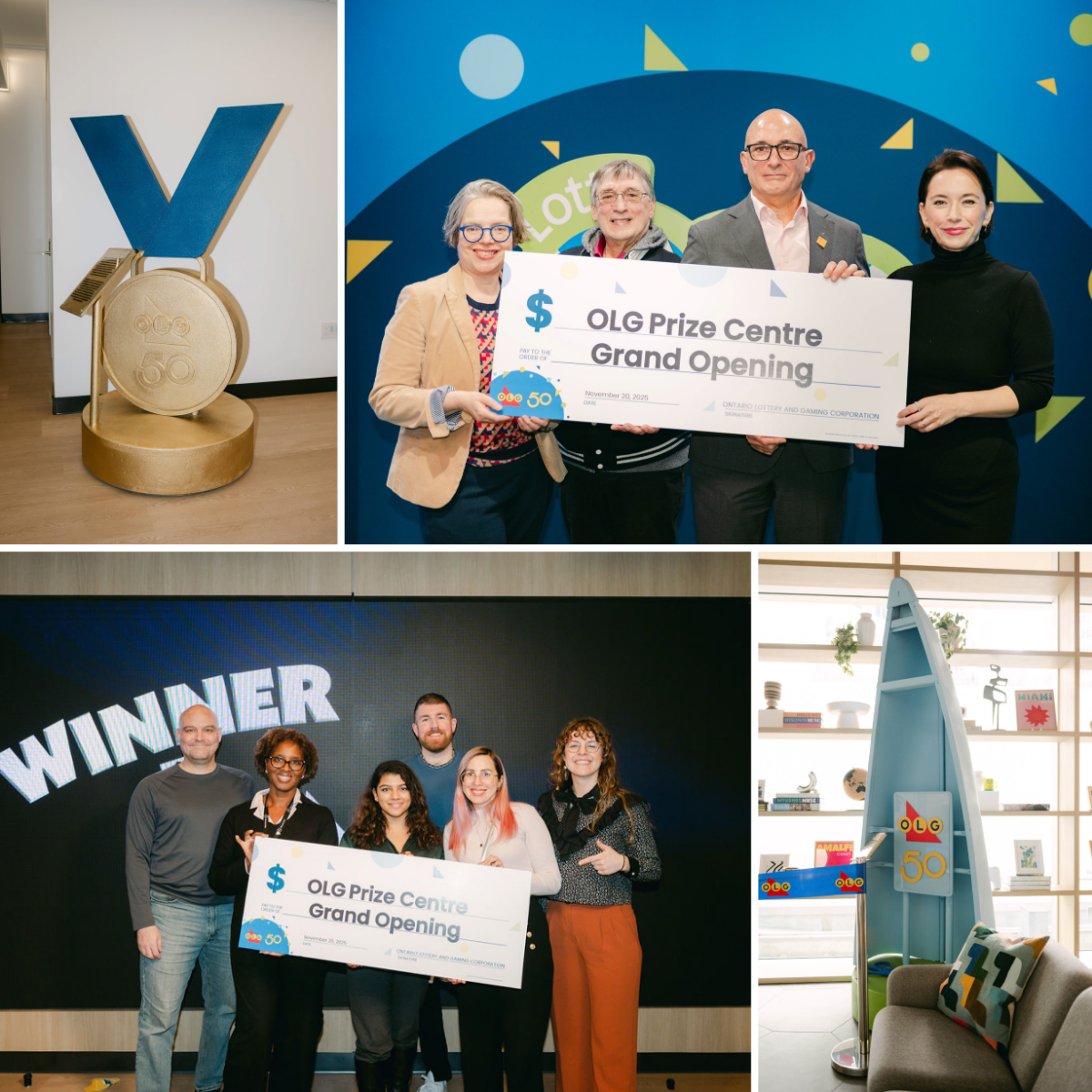
Final Outcome
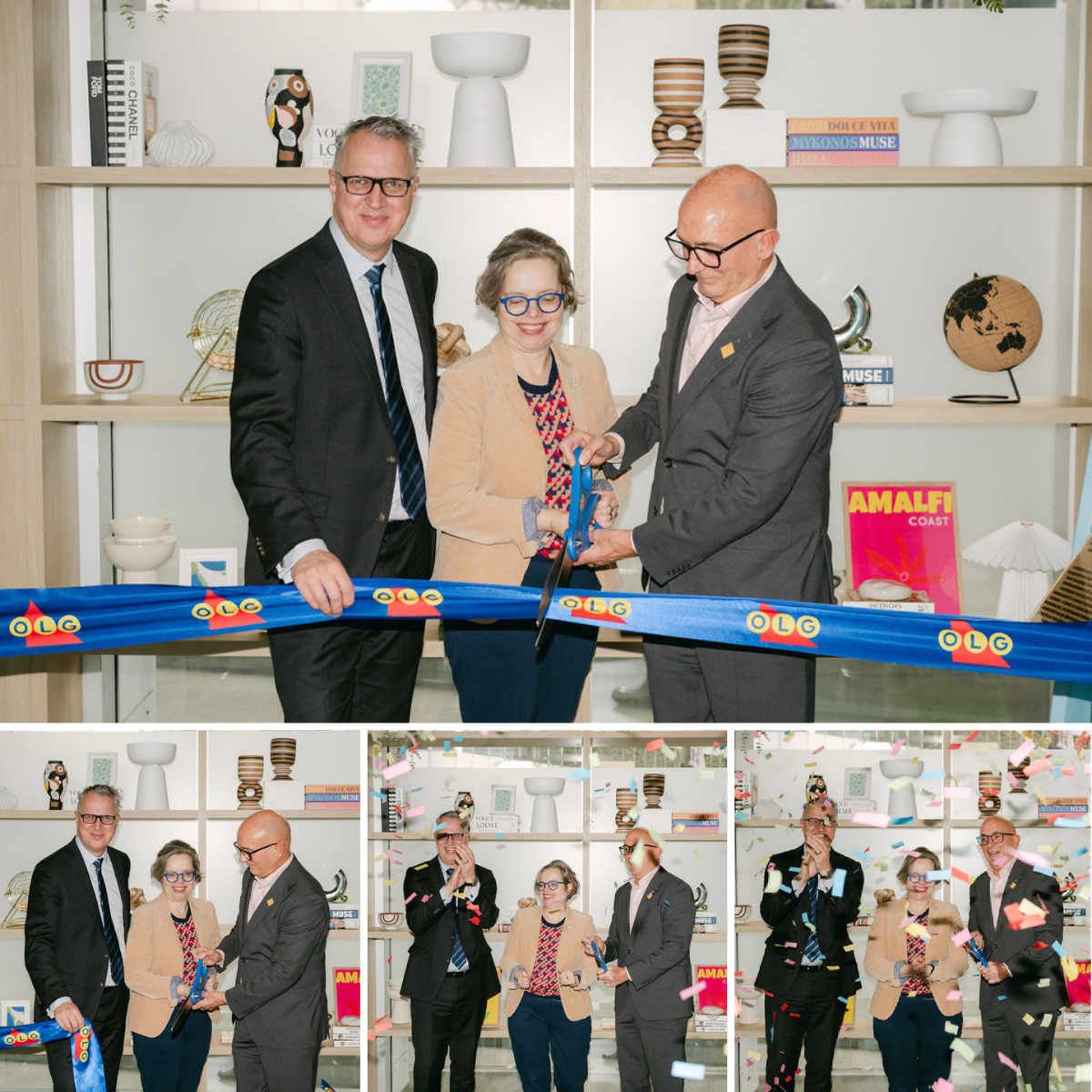
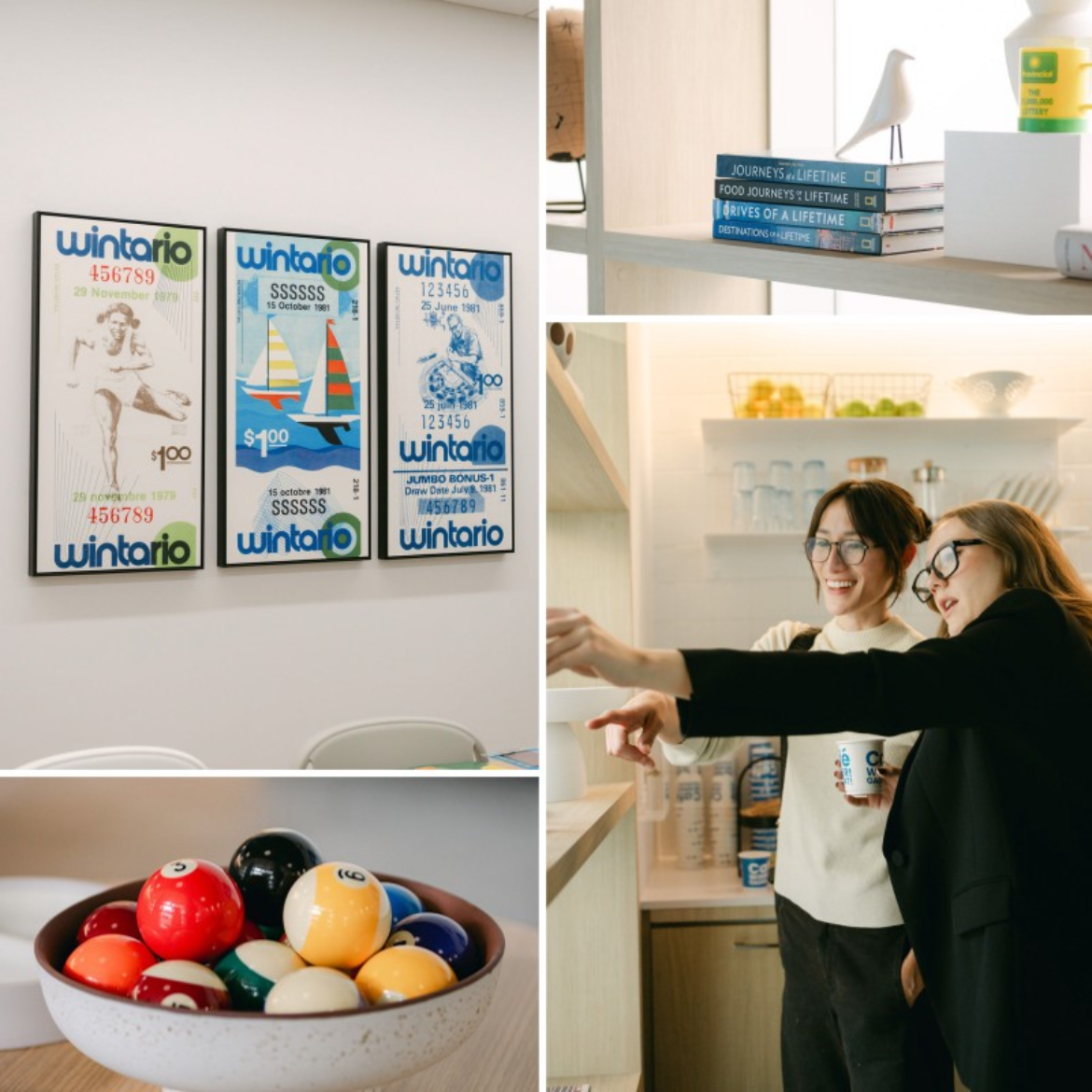
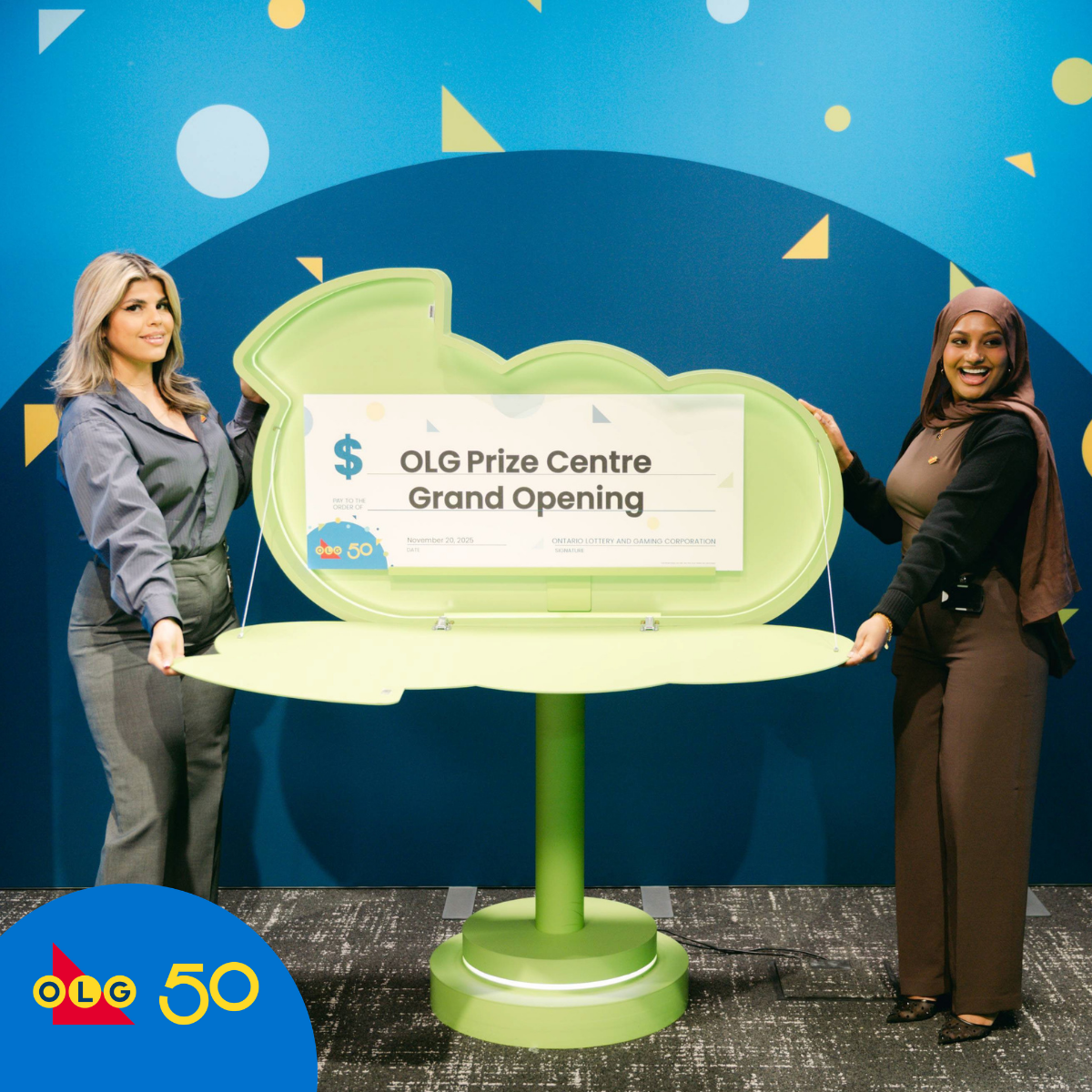
In November 2025, the new Prize Centre opened with a refreshed look—modern, comfortable, and more like a lounge than a waiting room. While I wasn’t involved in the final build, I appreciated the opportunity to contribute (and learn) service design recommendations to help shape a more welcoming and seamless winner experience.
What I Learned
Great experiences require aligning space, service, and emotion
Constraints don’t limit design—they shape it
Leadership is knowing when to step forward and when to step back
Research doesn’t just inform design—it influences behavior in real time
See the full story?
This project pushed me beyond screens—into real environments, real emotions, and real constraints.
If you’re building experiences that go beyond digital— contact me at erxun.design@gmail.com, I’d love to share more.